
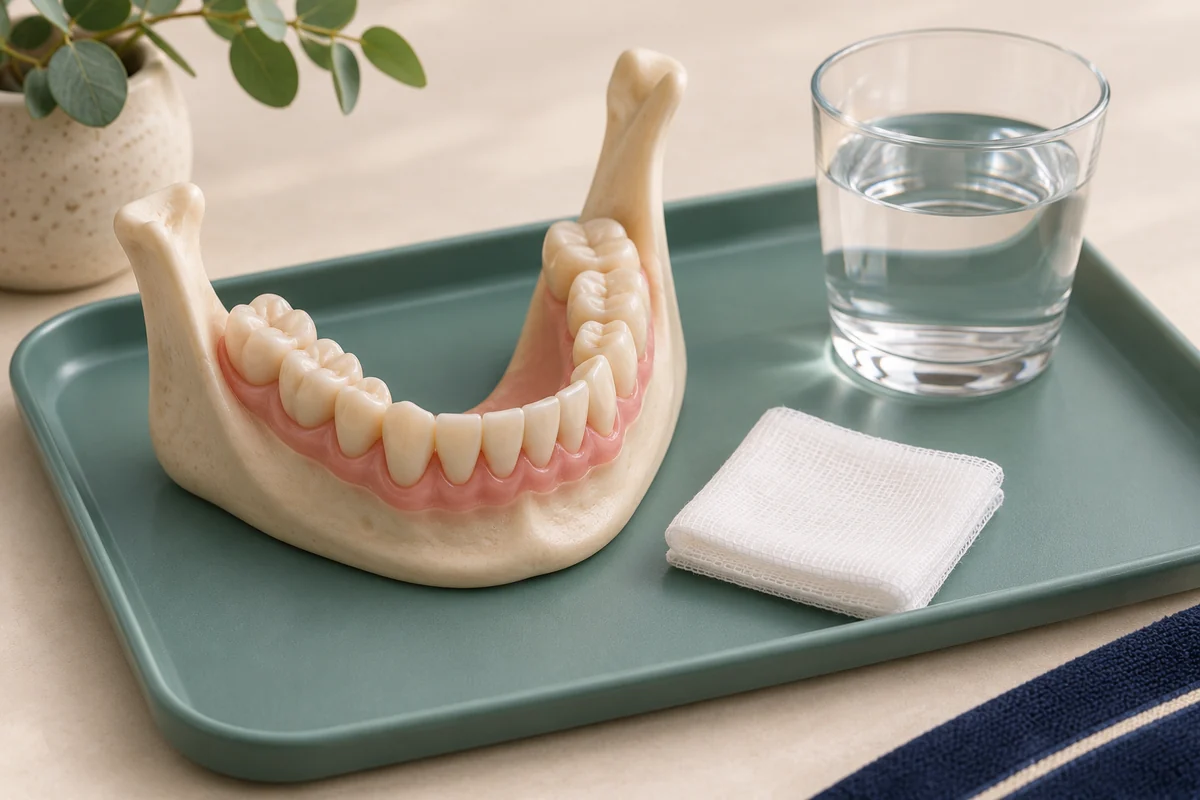
After a tooth is removed, the site can feel sore and look unfamiliar. The most useful question is whether the pain is starting to settle or getting worse. With normal healing, discomfort usually begins to improve after the first few days. Dry socket can cause new or increasing pain, often around day three to five after extraction. A bad taste or bad breath can occur too. A dentist needs to examine the area to check what is causing it.
Contact the dentist or oral surgery team that removed the tooth if pain is severe, worsening or returns after starting to improve. If you cannot reach them and need urgent help in England, call 111 or use NHS 111 online. Go to A&E or call 999 for heavy bleeding that will not stop or swelling that makes it hard to breathe, speak or swallow.
What is dry socket?
When a tooth is removed, a blood clot normally forms in the opening, called the socket. It protects the area early in healing. If the clot is lost too soon, the site can become painful and inflamed. This is known as dry socket, or alveolar osteitis. It can occur after any extraction, including a wisdom tooth removal.
Dry socket is different from an infection, although symptoms can overlap and other problems can also cause pain. Guy’s and St Thomas’ dental surgery guidance describes increasing pain, a bad taste and unpleasant breath as possible symptoms. Gloucestershire Hospitals’ extraction guide explains the role of the clot.
Dry socket vs normal healing: what to look for
| What is happening | What it may mean and what to do |
|---|---|
| Soreness and swelling in the first two or three days, then gradually easing | This can be part of normal healing. Follow your aftercare instructions. Recovery may take longer after a more complex extraction. |
| Pain becomes much stronger a few days after removal, or returns after easing | Dry socket is possible, sometimes with a bad taste or breath. Contact the dental team promptly for assessment. |
| Increasing facial swelling, fever or feeling unwell | These can point to infection or another complication. Seek urgent dental advice rather than assuming it is dry socket. |
| Heavy bleeding that will not stop, or swelling affecting breathing, speech or swallowing | Call 999 or go to A&E. Do not wait for a dental appointment. |
A little blood in your saliva can happen during early healing; it is different from ongoing heavy bleeding. Exact recovery times vary. The table is a way to decide when to call, not a tool for diagnosing yourself.
Can you tell from how the socket looks?
A photo alone cannot reliably tell you what is causing pain. Lighting, saliva and the angle make the site hard to assess, and a socket can still look like a hole while it heals. Do not try to see whether there is bone underneath, or lift anything out to inspect it. If the pain is severe or getting worse, call the dental team rather than comparing pictures online.
How to protect the site while it heals
Follow the instructions you were given, particularly if you had stitches, a complex extraction or other treatment at the same visit. University College London Hospitals’ instructions advise avoiding rinsing, spitting and touching the site in the first 24 hours so the clot can stay in place.
- Choose soft food while chewing is uncomfortable and take care not to bite or burn yourself while the area is still numb.
- After the first day, clean the rest of your teeth gently and follow your dental team’s instructions about rinsing. Do not direct a jet of water at the socket or poke it with a brush or finger.
- Avoid smoking while the socket heals. Ask a pharmacist or your dental team about suitable pain relief and follow the instructions you receive.
If it feels as though food is lodged in the socket and gentle care is not helping, ask the team what to do. Do not pack the opening yourself with gauze, oils or home remedies to treat suspected dry socket.
What happens if a dentist finds dry socket?
The dentist will ask when the tooth came out and whether the pain improved before it got worse. They can check for infection and other causes. Where appropriate, the dentist may gently clean the socket and use a dressing to help relieve discomfort. They will explain how to look after it and when to come back.
Will I need antibiotics?
Dry socket on its own is not the same as an infection. Do not take leftover antibiotics. A dentist can decide whether there are signs of an infection that needs different treatment.
Can the socket still look open when I feel better?
Yes. The gum opening can take longer to close than the pain takes to settle. If pain starts to increase again, or you develop swelling or fever, seek advice rather than waiting for the opening to close.
Is this the same as soreness after root canal treatment?
No. Dry socket follows removal of a tooth. If your tooth was kept and treated, see our root canal recovery guide. If you are still deciding between treatments, see how dentists compare root canal and extraction.
When you call for help, give the date of the extraction, which tooth was removed, how the pain has changed and whether you have had bleeding, fever or swelling. Ask the treating team first if possible. If you need local advice, see how to contact Abi Dental Care in Maida Vale and confirm availability. This guide does not replace your own aftercare instructions.
Leave a Reply